
Many people think of vaccines as something you finish in childhood. In reality, some vaccines become especially important later in life, when age, stress, medical conditions, and immune changes can raise the risk of certain infections. One of those is Shingrix, a vaccine used to help prevent shingles, also called herpes zoster. It is recommended for adults age 50 and older, as well as adults age 19 and older who are or will be immunocompromised because of disease or therapy.
For dermatology patients, this topic matters because shingles often appears first as a skin problem. A painful one-sided rash, grouped blisters, or unusual skin sensitivity may be the first sign. The Philippine Dermatological Society describes shingles as a skin condition with grouped vesicles on a reddish base in a band-like distribution, usually affecting one side of the body.
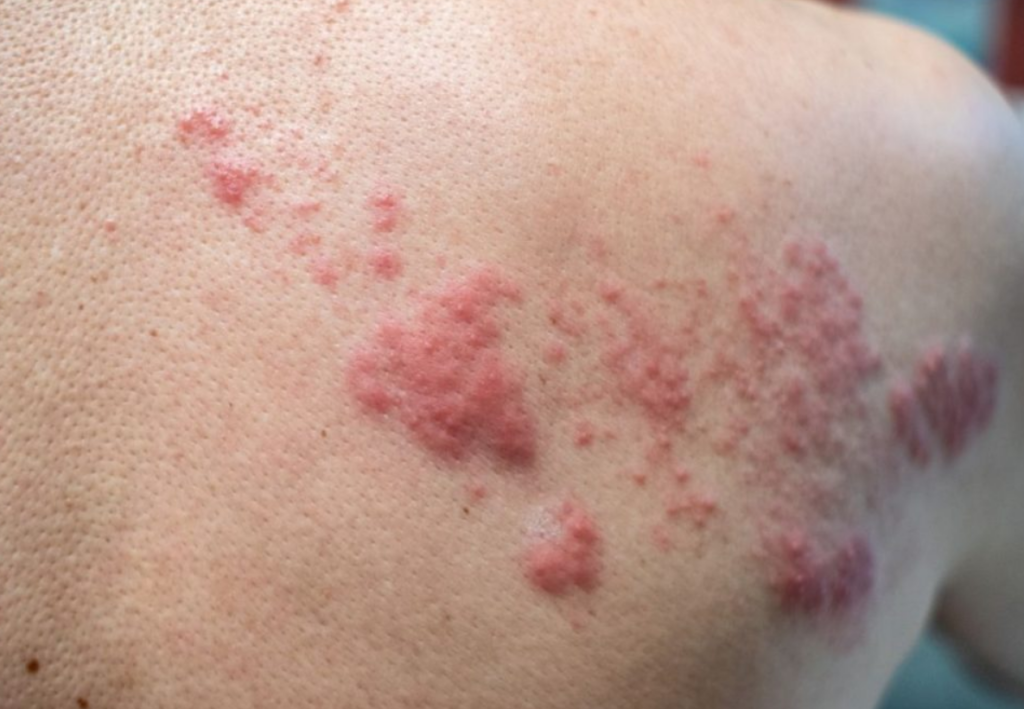
What is shingles?
Shingles happens when the virus linked to chickenpox becomes active again later in life. The Philippine Dermatological Society notes that chickenpox may occur again in the form of herpes zoster or shingles, and that it can appear when the immune system is weak. Public health guidance also describes shingles as a reactivation of varicella-zoster virus that can lead to both rash and complications.
The rash itself is only part of the story. Shingles can begin with pain, tingling, itching, or burning before blisters appear. In some people, the pain continues long after the visible rash is gone. One of the most common complications is postherpetic neuralgia (PHN), which can cause severe pain for months or even years.
That is one reason shingles prevention matters. This is not just a temporary skin issue. It can interfere with sleep, work, daily comfort, and quality of life. When the rash appears on the face or near the eyes, the situation can become more serious. Vaccination is recommended to help prevent shingles and related complications.
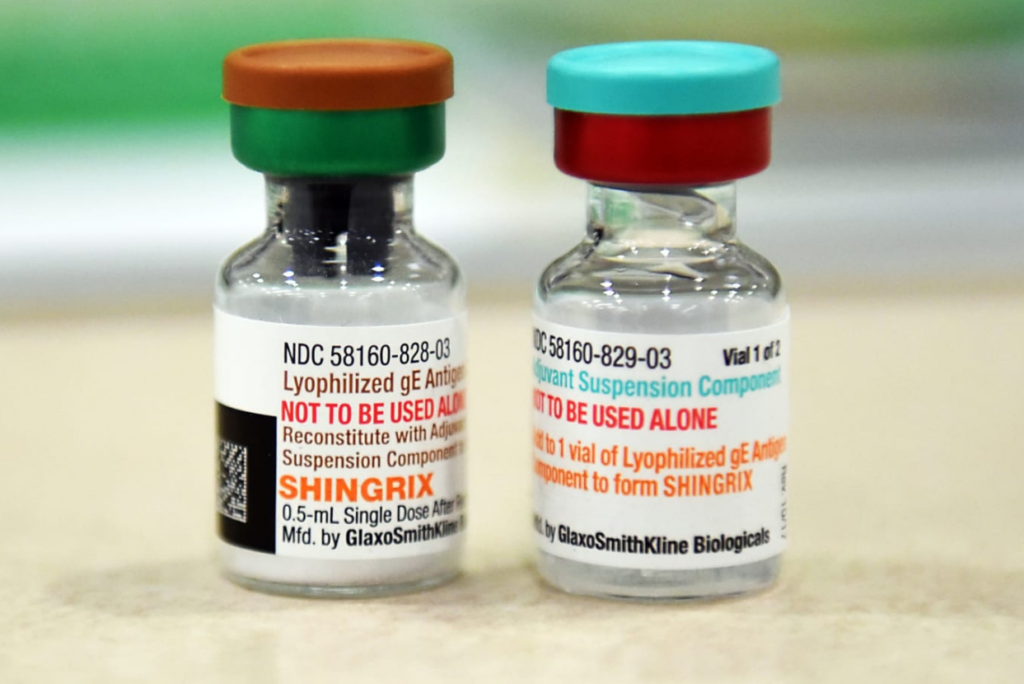
What is Shingrix?
Shingrix is a recombinant zoster vaccine given as a 2-dose series. The official Shingrix website states that it was proven in clinical trials to be more than 90% effective in preventing shingles in adults 50 years and older, and it emphasizes that both doses are needed for full protection.
The usual schedule is two doses separated by 2 to 6 months for immunocompetent adults age 50 and older. For adults age 19 and older who are or will be immunocompromised because of disease or therapy, the second dose may sometimes be given 1 to 2 months after the first for faster protection.
The GSK Pro Philippines website also lists Recombinant Zoster Vaccine (Shingrix) Prescribing Information, which supports that there is official product information available locally.
Who should ask about Shingrix?
Shingrix is recommended for:
- adults 50 years and older
- adults 19 years and older who are or will be immunocompromised because of disease or therapy.
Adults should still ask about Shingrix even if they have already had shingles, even if they previously received Zostavax, and even if they previously received the chickenpox vaccine. There is also no maximum age for getting Shingrix.
For readers, that means this vaccine may be worth discussing if you:
- Are 50 or older
- Have had chickenpox in the past
- Have a weakened immune system
- Are on medications that affect immune function
- Want to lower your risk of shingles and long-lasting nerve pain.
Why is Shingrix relevant in dermatology?
Dermatology clinics often see shingles because the skin changes are hard to ignore. Patients may come in with a stripe of painful blisters, a rash on one side of the torso, or a tender area on the face or scalp. The Philippine Dermatological Society’s description of shingles as a one-sided, band-like vesicular eruption fits the classic skin presentation that often brings patients to a dermatologist first.
But shingles is more than a rash. The pain may linger. In some people, the condition can leave behind nerve symptoms that continue after the skin heals. That is why prevention belongs in skin health conversations. Preventing the outbreak can help patients avoid discomfort, disruption to work, and ongoing pain. This is supported by public health guidance on shingles complications and official Shingrix information about long-lasting pain from postherpetic neuralgia.
This is especially relevant for older adults and for patients whose immune systems may be affected by illness or treatment. Dermatology patients with inflammatory conditions, autoimmune concerns, or immune-modifying therapy may have questions about timing. Those decisions should always be discussed with a qualified healthcare professional.
What side effects should patients expect?
Like many vaccines, Shingrix can cause short-term side effects. The official Shingrix website lists the most common side effects as:
- pain, redness, and swelling at the injection site
- muscle pain
- tiredness
- headache
- shivering
- fever
- upset stomach.
The official site also says these common side effects had a median duration of 2 to 3 days.
That does not mean everyone will feel unwell, but it does mean it is smart to plan around the possibility of a short recovery window after vaccination. Patients may prefer to schedule the shot before a lighter workday or when they can rest if needed.
The official Shingrix safety information also states that an increased risk of Guillain-Barré syndrome (GBS) was observed after vaccination with Shingrix. It also says people should not receive Shingrix if they are allergic to any of its ingredients or have had an allergic reaction to a previous dose. These are important reasons to discuss your medical history with your doctor before vaccination.
What else should people know?
Shingrix is used to help prevent shingles. The official site states clearly that it is not used to prevent chickenpox.
It is also important to complete the full series. The official Shingrix site repeatedly emphasizes that protection depends on getting both doses, not just the first one.
For readers who want a public health reference in addition to brand sources, the eligibility and schedule guidance aligns with the broader vaccine recommendations noted above.
When should you talk to a doctor?
You should talk to a healthcare professional if you:
- Are age 50 or older
- Have questions about immune-related risk
- Are preparing for treatment that may weaken your immune system
- Previously had shingles and want to reduce the risk of another episode
- Have a painful one-sided rash or blisters that may already be shingles.
If you think you may already have shingles, do not rely on online advice alone. Prompt evaluation matters, especially if the rash is painful, on the face, or close to the eyes.
Protect Your Skin and Ask About Shingrix at mySKIN Dermatology Clinic
Shingrix is an important vaccine for adults who want to reduce the risk of shingles and its complications. It is a two-dose vaccine recommended for older adults and for certain younger adults with weakened immune systems. Official Shingrix information also shows strong protection in adults 50 and older and outlines the most common short-term side effects.
If you want to learn more about shingles prevention, mySKIN Dermatology Clinic offers the Shingrix vaccine. If you have questions about your risk, your skin symptoms, or whether this vaccine is right for you, schedule a consultation with mySKIN Dermatology Clinic and speak with our board-certified dermatologist.
Sources:
- Centers for Disease Control and Prevention. (2024, June 27). Clinical overview of shingles (herpes zoster).https://www.cdc.gov/shingles/hcp/clinical-overview/index.html
- Centers for Disease Control and Prevention. (2024, July 9). Clinical considerations for Shingrix use in immunocompromised adults aged 19 years and older.https://www.cdc.gov/shingles/hcp/vaccine-considerations/immunocompromised-adults.html
- Centers for Disease Control and Prevention. (2024, October 22). Shingles vaccine recommendations.https://www.cdc.gov/shingles/hcp/vaccine-considerations/index.html
- Centers for Disease Control and Prevention. (2025, August 19). Shingles vaccination.https://www.cdc.gov/shingles/vaccines/index.html
- GlaxoSmithKline Philippines Inc. (2022, June 14). Recombinant zoster vaccine (Shingrix) prescribing information. GSK Pro Philippines. https://gskpro.com/en-ph/
- Philippine Dermatological Society. (n.d.). Herpes zoster virus infection (shingles).https://pds.org.ph/herpes-zoster-virus-infection-shingles/
- Philippine Dermatological Society. (2023, June 16). The role of a dermatologist in diagnosing and treating skin conditions.https://pds.org.ph/the-role-of-a-dermatologist-in-diagnosing-and-treating-skin-conditions/
- SHINGRIX. (n.d.). FAQs.https://www.shingrix.com/shingrix-faqs/
- SHINGRIX. (n.d.). Side effects.https://www.shingrix.com/side-effects/
- SHINGRIX. (n.d.). Shingrix vaccine.https://www.shingrix.com/
- SHINGRIX. (n.d.). What to expect with Shingrix.https://www.shingrix.com/about/discover-shingles/