What are Skin Lesions?
Noticing a new bump, spot, scab, or patch can feel stressful, especially if it changes fast or looks unusual. The good news is that many skin lesions are benign, meaning they are not cancerous. Still, some lesions need prompt evaluation, so it helps to know what to watch for and when to come in.
A skin lesion is any area of skin that looks or feels different from the skin around it. Lesions can be present at birth (like some birthmarks) or develop later due to irritation, infection, sun exposure, inflammation, or other health conditions.
Common examples of skin lesions
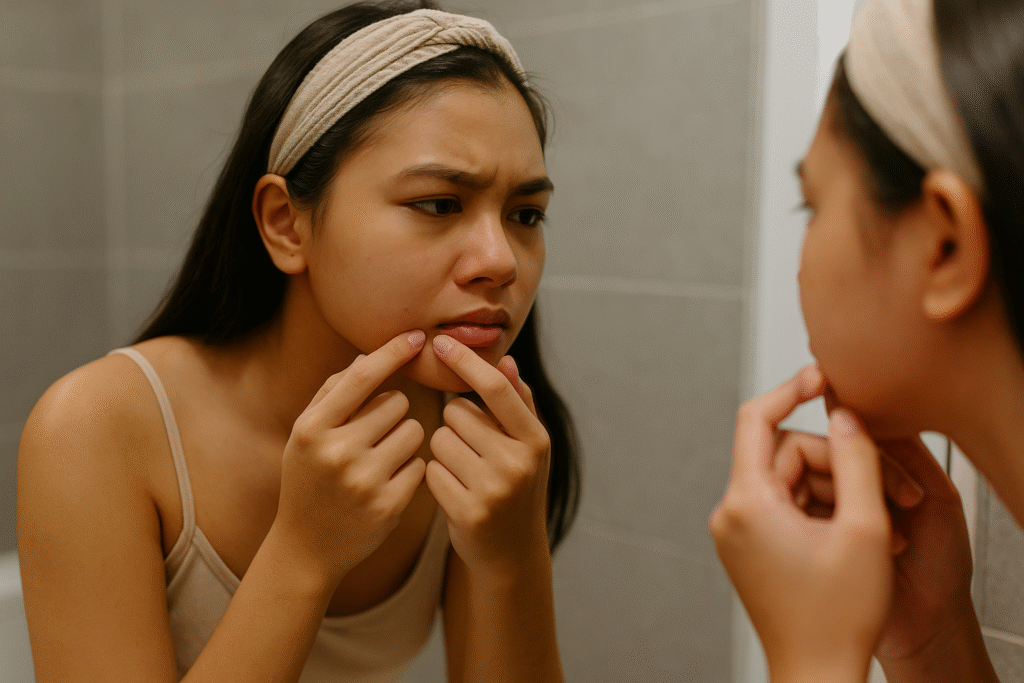
Many everyday skin concerns count as lesions, including:
- Acne pimples, blackheads, cysts
- Moles and freckles
- Skin tags
- Cherry angiomas (small red bumps)
- Skin sores (ulcers, blisters, or wounds)
- Rashes or inflamed patches
- Warts
- Scaly sun-damaged spots
Some lesions are mainly cosmetic. Others can be uncomfortable, itchy, painful, or a sign that your skin needs medical care.
Benign vs malignant lesions
Benign lesions are noncancerous and often harmless. You might still want treatment if they get irritated, bleed from friction, or affect your confidence.
Malignant lesions are skin cancers. Skin cancer is strongly linked to ultraviolet (UV) exposure from sunlight and artificial sources. Early evaluation and treatment improve outcomes.
How dermatologists describe lesions
Dermatologists often describe lesions by their “shape” and depth, because that guides diagnosis.
Common primary lesion shapes include:
- Macule / patch: flat color change (example: freckle, flat discoloration
- Papule / plaque: raised bump or raised thickened area
- Nodule: deeper, solid bump
- Vesicle / bulla: fluid-filled blister (small vs larger)
- Pustule: pus-filled bump
Secondary changes can happen after scratching, infection, or healing, such as crusting, scales, erosions, fissures, scars, or ulcers.
You do not need to memorize these terms. We use them to document what we see and choose the right next step.
What causes skin lesions?
Because “skin lesion” is a broad term, causes vary. Common categories include:
- Injury or irritation, including friction, shaving irritation, minor trauma, burns, sunburn
- Allergic reactions or contact dermatitis (reaction to a product, plant, or chemical)
- Infections, including viral, bacterial, or fungal causes
- Inflammatory or autoimmune conditions, such as psoriasis or eczema
- Medication effects, including some treatments that affect skin or immunity
- Underlying medical conditions, including circulation problems or systemic illness
- Long-term UV exposure can lead to sun damage and raise skin cancer risk
Warning signs that need a dermatology visit soon
Please consider a prompt check if a lesion:
- Changes in size, shape, color, or texture
- Bleeds easily, crusts repeatedly, or looks like a sore that does not heal
- Becomes painful, rapidly enlarging, very itchy, or pus-filled with spreading redness (possible infection)
- Looks unusual compared with your other spots, sometimes called the “ugly duckling” idea
The ABCDE guide for changing moles or dark spots
The ABCDE checklist is a helpful way to spot concerning changes:
- A: Asymmetry (two halves do not match)
- B: Border irregular or poorly defined
- C: Color varies within the same spot
- D: Diameter larger than about 6 mm can be concerning, but small lesions can still matter
- E: Evolving any change over time is important
If a mole or spot is evolving, do not wait it out.
How mySKIN evaluates skin lesions
A proper diagnosis starts with careful observation. At your visit, we typically focus on:
- History: when it appeared, how it changed, symptoms (itch, pain, bleeding), exposures (sun, new products), personal or family history of skin cancer, medications, and health conditions.
- Skin exam: we assess size, shape, color, texture, depth, and distribution.
- Next-step testing if needed: sometimes a swab, allergy testing, bloodwork, or a biopsy is recommended to confirm what a lesion is.
Treatment options for skin lesions
Treatment depends on the diagnosis and your goals. Options may include:
- Topical treatments (creams, ointments, medicated washes) for acne, inflammation, or irritation
- Oral medications are used when appropriate for infection, inflammation, or acne
- In-office procedures for bothersome benign lesions (for comfort or cosmetic reasons)
- Treatment of underlying conditions if the lesion is a sign of eczema, psoriasis, allergy, or another medical issue
- Removal and cancer-focused care if a lesion is suspicious or confirmed as skin cancer, with the exact plan based on findings
Important note: Avoid DIY removal kits, cutting, or “tying off” lesions at home. It can cause infection, scarring, and delayed diagnosis.
What you can do at home while you monitor a lesion
- Take a clear photo today, then compare weekly for changes.
- Do not pick or scratch. Cover irritated areas with a simple bandage if friction is a problem.
- Use gentle, fragrance-free skincare if the area seems inflamed from irritation.
- Use daily sun protection on exposed skin. UV damage accumulates over time, and prevention matters in sunny climates.
Can skin lesions be prevented?
Not all lesions are preventable, especially genetic ones like some moles or birthmarks. Still, you can reduce risk by:
- Limiting UV exposure, using sunscreen, and avoiding intentional tanning
- Treating acne early to reduce scarring and persistent inflammation
- Avoiding known irritants and allergens
- Keeping skin clean and protected during sports or physical work to reduce injury-related lesions
When to seek urgent care
Seek urgent medical attention if a lesion is paired with fever, rapidly spreading redness, severe pain, or drainage that suggests a deeper infection.
Book a skin check at mySKIN Dermatology Clinic
If you have a spot that is new, changing, bleeding, painful, or simply worrying you, we are here to help you get clear answers and a safe plan.
- Clinic hours: 10 AM to 7 PM, Monday to Saturday
- Location: Mabanta Arcade Lot 15 and 16, along Mc Arthur Highway, Balibago, Angeles City
- Call or text: +63 922-825-7546
Sources:
- Cleveland Clinic. (2022, October 17). Skin lesions: What they are, types, causes & treatment. https://my.clevelandclinic.org/health/diseases/24296-skin-lesions
- American Academy of Dermatology. (n.d.). What to look for: ABCDEs of melanoma. https://www.aad.org/public/diseases/skin-cancer/find/at-risk/abcdes
- World Health Organization. (2022, June 21). Ultraviolet radiation. https://www.who.int/news-room/fact-sheets/detail/ultraviolet-radiation
- Centers for Disease Control and Prevention. (2024, February 20). Facts about ultraviolet radiation. https://www.cdc.gov/radiation-health/data-research/facts-stats/ultraviolet-radiation.html
- MSD Manuals Professional Edition. (n.d.). Description of skin lesions. https://www.msdmanuals.com/professional/dermatologic-disorders/approach-to-the-dermatologic-patient/description-of-skin-lesions